In one firm’s database of more than 17,000 executive assessments, the people described as “decisive” were 12 times more likely to be high-performing CEOs.1 Twelve TIMES!
And the leaders who scored low on decisiveness? A whopping 94% of them got there the same way… by deciding too little, too late.
Trouble is, nobody can watch a decision happen inside your head. All they get is how you SAY it.
“So, um… I kind of think we should maybe go with B?”
If that sounds familiar, the research has some bad news. When listeners cared about the topic, hedges, hesitations, and tag questions made the speaker look worse and blunted strong arguments. In one experiment, strong arguments ended up no more convincing than weak ones.2
All that prep, and your best argument does no better than a flimsy one!
The good news? The fix starts with a handful of word swaps. After that come the bigger habits, the homework that makes people trust your calls.
Want to hear what a decisive voice sounds like? Watch our video below on the science of vocal power.
1. Cut the Words That Shrink Your Point
Quick, open your team chat. How many of your messages start with “just”?
“Just” can shrink a request before anyone has even read it. In email, it usually sneaks in first… “Just following up!” “Just a quick question!” Each one says sorry for taking up space, then forgets to mention the thing the other person actually needs to do.
(Raise your hand if you’ve sent “Just checking in!” to someone you emailed an hour earlier. Both of mine are up.)
And “just” has a whole family! Here are the relatives that crash status updates most often, and what to say instead:
| The hedge | What they might hear | Try instead |
|---|---|---|
| “Just following up!” | This can wait. | “Following up on the Q4 headcount plan. Can you approve it by Friday?” |
| “Sales are kind of down.” | How down? | “Sales are down 6% from last quarter.” |
| “I think we could maybe list around 650?” | They’re guessing. | “I’d list at $649,000. The three closest sales went for $640,000 to $660,000.” |
| “I think the deadline is Friday.” | They didn’t check. | “The deadline is Friday.” |
| “I could be wrong, but didn’t legal flag this?” | Ignore what comes next. | “Legal flagged this last month. Has that been resolved?” |
| “I was wondering if we could maybe push the launch a little?” | Is that a proposal or a wish? | “I’d push the launch two weeks. QA needs the time.” |
| “We could maybe look at launching in May.” | Nothing’s decided. | “We’ll launch in May.” |
| “Sorry, but can I add something?” | I need permission to speak. | “I’d add one thing.” |
| “I’m a little bit worried about the timeline.” | It’s not that serious. | “I’m worried about the timeline. Testing is two weeks behind.” |
| “For what it’s worth, the old agency was faster.” | This isn’t worth much. | “The old agency turned drafts around in half the time.” |
| “Does that make sense?” | I doubt what I just said. | “Which part should I go deeper on?” |
A few of these still have a real job, so don’t go on a deleting spree. “I think” belongs on judgment calls (“I think we should hire the second candidate”). “Just” is fine when it means “only.”
And “sorry” is lovely for things you didn’t cause, like “Sorry your flight got delayed!” (When you actually messed up, you need a sincere apology, which is a different animal.)
Tag questions are cousins, too. You know, that little “right?” tacked onto the end of a sentence… right? In the same study from the intro, they actually helped with listeners who didn’t care much about the topic, and hurt with listeners who did.
Want to find your loudest hedges? Search your sent folder for “just,” “I think,” “hopefully,” and “kind of,” then pick the top three to work on. (Brace yourself. My first search was humbling.)
2. Put a Number Where the Fog Was
“Maybe a few weeks” gives your manager nothing to plan around. “Two to three weeks, most likely closer to three” gives them something to put on a calendar.
Pop quiz time! Across a dozen studies, people saw someone’s forecast either with a range or without one. In how many of those studies did the range make people more likely to go with that forecast over their own?
a. 3 b. 6 c. 9 d. 11
It’s d… 11 out of 12! In all but one of the dozen studies, people were at least a bit more likely to go with someone’s forecast over their own when it came with a range. And a wider range worked about as well as a narrower one.3
So a loose range still beats no range at all!
So “hopefully by the end of the month” becomes “between the 24th and the 30th, most likely the 28th.” And “it could take a while” becomes “two to four sprints, depending on the security review.” (Your weather app already knows this trick. “70% chance of rain” tells you to grab an umbrella, while “maybe rain” just leaves you staring at the sky.)
Once you have the number, say it flat. Save any hedge for what the number means.
Why split them up? In one experiment, hedges on data statements made readers think less of the argument AND of the person making it. Readers with more scientific training judged the person even more harshly. Hedges on interpretations didn’t hurt there.
In a second experiment, professional-sounding hedges on interpretations were fine… but casual-sounding ones cost.4
| Sounds unsure | Sounds decisive and honest | |
|---|---|---|
| Data | “Sign-ups kind of fell, maybe around 18%?” | “Sign-ups fell 18% in October.” |
| Interpretation | “It’s sort of maybe the new form?” | “The data suggest the new form is the cause.” |
Professional hedges sound like “the data suggest,” “most likely,” and “our best estimate is.” Casual ones sound like “kind of” and “sort of maybe.”
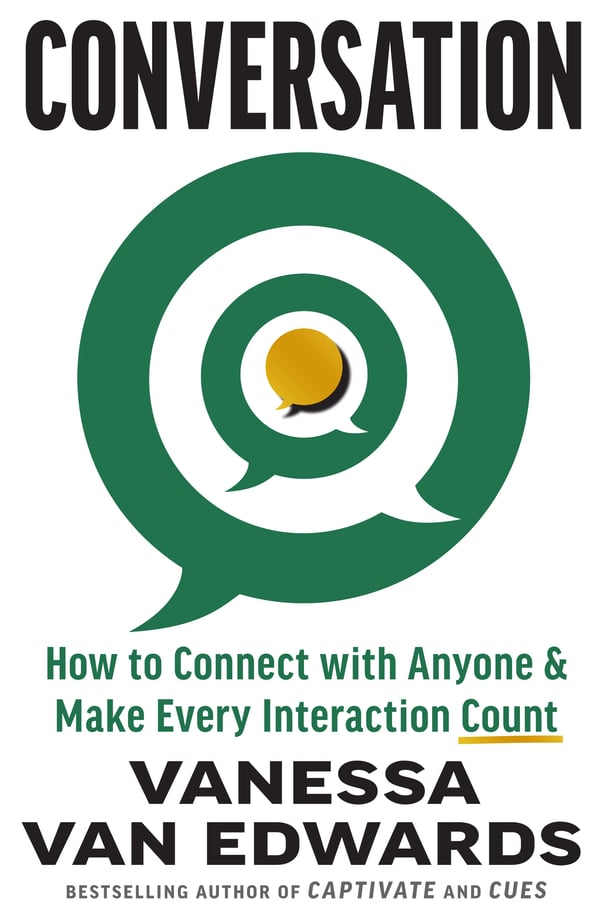
A new book by Vanessa Van Edwards
Every conversation is an opportunity.
If conversations have gotten harder, more awkward or less satisfying, you’re not imagining it. We’re simply out of practice. It’s time to find the joy in talking to each other again.
3. Stop Ending Statements Like Questions
“We beat the target by 8%?”
Wait… did you, or are you asking?
When your pitch floats up at the end, a fact can sound like a guess. A rising pitch at the end is one of the common cues people give when they’re unsure… and listeners pick up on it.5
Try it out loud (yes, even at your desk). Say “We beat the target” and let the last word float up. Now say it again and let the last word drop, like your voice is putting a period on it. Hear the difference?
Next, record yourself giving a normal update and listen ONLY to the ends of your sentences. The first listen can sting a little. (Mine sounded like a game show contestant guessing at the final answer.)
Real questions can still rise (“Can you send me the deck?” should sound like a question). Statements get the drop. And if English is your second language, you don’t need a new accent. Practice the drop on the sentences that carry a number or a decision.
If your voice also goes flat or creaky at the end of sentences, our guides to monotone voice and vocal fry cover those.
4. Know Your Numbers Better Than Anyone in the Room
Sounding sure comes with a catch… you’d better be RIGHT.
In one study, when a confident witness got a detail wrong, it hurt their overall credibility more than the same mistake hurt a witness who hadn’t sounded sure. After an error, the less confident witness could even seem more credible!6
So a decisive voice needs solid facts underneath it. Before you say a number flat, know exactly where it came from.
Before a big update, make yourself a little cheat sheet. Pick the three numbers you’re most likely to get grilled on:
| Number | Where it’s from | If someone pushes back |
|---|---|---|
| Sign-ups fell 18% | October sign-up report, same one finance uses | “Last October was flat, so it isn’t seasonal.” |
| Support tickets down a third | Helpdesk export, Sept vs. Oct | “We can’t tell yet if it lasts past month one.” |
| Project is two weeks behind | QA tracker | “QA is the holdup. Design and legal are done.” |
Now compare two answers to “Where’s that 18% from?”
“Um, I think it was in a dashboard somewhere?”
“October’s sign-up report. It’s the same source finance uses.”
Which of those two people would you trust with the budget?
5. Keep Your Backup Data in Your Back Pocket
“How do you know that?”
If that question makes your stomach drop, you are not alone.
Backup data is the fix. Decisive people usually have their proof ready before anyone asks for it.
Here’s how we’d set it up for a presentation:
- Build a short version. Three slides you could talk through with no notes: what happened, what it means, and what you recommend.
- Memorize the order. You don’t need every word. You need to know what comes next without glancing at the screen.
- Put the proof in an appendix. The full data, the chart behind each claim, the source for every number. Nobody sees these slides unless they ask.
When someone pushes, you get to say “Great question, let me pull it up,” flip to the backup slide, and keep going. That feels VERY different from “Uh… I’d have to check.”
No slides in this meeting? The same idea works as a one-page doc open in another tab, a small notepad with your data, or an index card with your three key numbers.
6. Rehearse the Questions You Dread
Most of us have that one question. The one that turns your brain to oatmeal and your answer into a five-minute ramble…
Got yours? Write down the three questions you’d least like to get. Draft a short answer to each, with the answer in the first sentence, then say them out loud a couple of times. (The shower counts.)
Here’s one worked out:
The dreaded question: “Why not just stick with the old vendor?”
The rehearsed answer: “Because they missed three of the last four deadlines. The new vendor costs 10% more and has hit every date in the pilot.”
A decisive answer is a lot easier when it isn’t the first time you’ve said it. And if the question never comes up? You still got to walk in a whole lot calmer!
7. Put the Answer in Your First Sentence
“Can we hit the 15th?”
Your manager leans over the cubicle wall and asks. Here comes the hedgy answer… “So, design’s been slammed, and legal still has some questions, and…” They’ve stopped listening by the second “and.”
Lead with the answer instead: “No. The 22nd is realistic. Legal’s review is the holdup.” The backstory can follow if they want it. (Military writers have a name for this: BLUF, or bottom line up front.)
For a decisive answer under REAL pressure, listen to the air traffic audio from US Airways Flight 1549. In 2009, birds knocked out both engines after takeoff from LaGuardia, and the controller offered runway after runway.
Captain Chesley “Sully” Sullenberger’s answers, per the transcript NPR published, were “Unable.” and “We can’t do it.” Then: “We’re going to be in the Hudson.” All 155 people on board survived.
Notice what came between those answers, too. When the controller offered runway four, he said, “I’m not sure we can make any runway.” That was a real doubt, said plainly. Once he’d decided, there was no hedge at all.
8. Talk to the Biggest Skeptic Before the Meeting
Decisive people often walk into a meeting already knowing where everyone stands. How? They find the person most likely to object and ask them first:
“I’m going to recommend the second vendor on Thursday. What would make you hesitate?”
Now you know their objection, and you can bring the answer (and the backup slide) with you. Sometimes your biggest skeptic even ends up backing you in the room! Our guide to the meeting before the meeting walks through how to run these conversations.
9. Walk In With Your Pick Already Made
A list of options with no pick is basically homework for your boss. Lay out the options, then say which one you’d choose and why:
“There are three options. I’d go with B, because it’s the only one we can staff by June. Want me to walk through A and C?”
Your pick might get overruled, and that’s fine! A team arguing about your recommendation is closer to a decision than a team staring at a list of options. (For more ways to get your voice into the room, see our tips to speak up in meetings.)
10. Make the Call at 70%
In his 2016 letter to shareholders, Jeff Bezos wrote that “most decisions should probably be made with somewhere around 70% of the information you wish you had.” His reasoning was that “being wrong may be less costly than you think, whereas being slow is going to be expensive for sure,” as long as you’re good at course correcting.7
Sound familiar? It’s the same pattern from those CEO assessments up top… the leaders who struggled with decisiveness mostly decided too LATE.
When you’re at 70%, say the call AND what would change it: “We have enough to decide. I’m going with the Austin office. If the lease terms change, we’ll revisit.”
Steve Jobs made a similar point right after a public insult. (On stage, in front of a room full of developers. No pressure!)
At Apple’s 1997 developer conference, an audience member told him that on several counts he didn’t know what he was talking about. Jobs paused, agreed the man had a point in some areas, and then laid out his thinking. Later in the answer, he said mistakes would be made along the way, and that was good, “because at least some decisions are being made along the way.”
Here’s the full exchange. Watch for that pause!
11. Say “Disagree and Commit” Out Loud
You might lose the argument. Or you might win it while the other person stays unconvinced. Either way, the decisive move is to name the disagreement and back the plan anyway.
The same Bezos letter gives the line for when you’re the one deciding: “Look, I know we disagree on this but will you gamble with me on it? Disagree and commit?”
It works from the other seat too. If you’re the one who disagreed, you might say: “I’d have picked the other vendor. We’ve decided, though, so I’m all in. What do you need from me?”
Then actually be all in. Rooting for the plan to fail so you can say “I told you so” undoes the whole thing. (Tempting, we know.)
Here’s Bezos explaining the idea in his own words:
12. Admit the Limits Before Anyone Asks
Can pointing out a weakness in your own work really make you look more credible?
Weirdly, it might! In one experiment, news stories about cancer research that reported the studies’ limitations made both the scientists and the journalists look more trustworthy. The effect was even stronger when the caveat came from the scientists who had done the research themselves.8
Here’s what that might sound like:
“The new onboarding flow cut support tickets by a third. One thing we can’t tell yet is whether that’ll last past the first month.”
Some rooms reward the clean sentence with no caveat attached, like the first minute of a pitch or the opening number in a negotiation. There, the limit can wait until someone asks for it.
13. Make “I Don’t Know” Sound Like a Plan
“Um, I’m not totally sure, I’d have to check, maybe?”
That sounds like someone lost in a parking garage. “I don’t know yet” sounds like someone who knows exactly where the gap is.
Say what you don’t know, then when you will: “I don’t know yet. I’ll have a range for you after Thursday’s vendor call.”
If the work can’t wait, add what happens in the meantime: “Until then, I’m planning around the higher number.”
A bare “I’m not sure” tends to cost you. In a series of studies, advisors who said they were “not sure” got judged less favorably than confident ones, while advisors who gave a range or a probability weren’t penalized. “I don’t know yet,” plus when you’ll know, gives people a gap they can plan around.
14. Set a Default So Nothing Stalls
“Let me know what you think!”
That message can sit in an inbox for two weeks… or forever. A default keeps it moving:
“If I don’t hear otherwise by Thursday, I’ll book the Denver venue.”
People can still say no. They just don’t have to say yes for the work to move.
Save this for choices that are easy to undo, like a venue hold or a draft going to the client. For the big, permanent ones (a hire, a contract, a layoff), get the actual yes.
15. Stop Defending a Decision Nobody Questioned
“I went with the blue logo because, honestly, I went back and forth a lot, and I know some people liked the green, and either could work, really…”
Nobody even asked. Over-explaining can make a solid decision sound shaky, as if you’re pleading your case to a jury that isn’t there.
Give one reason, then stop: “I went with the blue logo. It tested better with the customer panel.”
The quiet after that sentence can feel like an eternity. Let it be quiet anyway! If someone has a concern, they’ll raise it, and you can answer the concern they actually have.
Been called “too direct” for exactly this? That’s not in your head. In a review of studies on dominance, direct demands hurt women’s likability more than men’s, but they didn’t cost women any more than men on how competent they seemed. Keep your one reason attached either way, so people have your logic to respond to.
Frequently Asked Questions (FAQs) About Sounding Decisive
How do I sound more decisive at work?
Cut the hedges from your facts, put your answer in the first sentence, and walk in with a pick already made. Swap “Sales are kind of down” for “Sales are down 6% from last quarter.” Let your voice drop at the end of statements. Then do the homework that backs it up: know where your numbers came from, keep backup data in an appendix, and rehearse the question you dread most.
What words make you sound less confident?
The usual suspects are “just,” “I think,” “hopefully,” “kind of,” “maybe,” and tag questions like “right?” at the end of a sentence. When listeners care, those words can make a strong argument sound no better than a weak one. Search your sent folder for those words and pick your top three. Then rewrite the next one as a direct ask with a date.
How do you make a decision when you don't have all the information?
Decide when you have about 70% of what you’d want to know, and say what would change your mind. Jeff Bezos made this point in his 2016 shareholder letter, arguing that being slow is expensive for sure. Try “We have enough to decide. I’m going with the Austin office. If the lease terms change, we’ll revisit.” Save the full yes from everyone for big, permanent calls like a hire or a contract.
How do I say "I don't know" without sounding unsure?
Say what you don’t know, then say when you will. “I don’t know yet. I’ll have a range for you after Thursday’s vendor call” sounds like someone who knows exactly where the gap is. If the work can’t wait, add what happens in the meantime: “Until then, I’m planning around the higher number.” A bare “I’m not sure” tends to cost you, while a range or a date gives people something to plan around.
How do I disagree with a decision and still support it?
Name the disagreement once, then commit out loud and mean it. If you’re the one who disagreed, try “I’d have picked the other vendor. We’ve decided, though, so I’m all in. What do you need from me?” If you’re the one deciding, borrow the Bezos line: “Look, I know we disagree on this but will you gamble with me on it? Disagree and commit?” Then skip the told-you-so if things wobble.
Won't I sound arrogant if I cut every hedge?
Probably not, as long as you keep your reasons. “I’d push the launch two weeks, because QA needs the time” sounds confident and still collaborative. Pairing it with a real question helps too: “What am I missing?” Keep the hedges that have a real job, like “I think” on a judgment call, and drop the ones attached to facts. That mix shows where you’re sure and where you’re open. Been called “too direct”? Keep the reason in, so people respond to your logic.
Is hedging different in email?
Yes, and in your favor. Email makes hedges easier to catch, because you can reread the message before it goes. On the reread, cut any hedge attached to a fact, so “I think the deadline is Friday” becomes “The deadline is Friday.” Swap “Just following up!” for the actual ask: “Following up on the Q4 headcount plan. Can you approve it by Friday?” Then add a default date if the decision might stall.
How do I sound decisive in a job interview?
Use the same moves: answer first, put numbers where the fog was, and say statements with a falling pitch. Instead of “I was kind of in charge of the launch,” try “I led the launch, and we shipped two weeks early.” Rehearse the questions you’d least like to get, with the answer in the first sentence. Our guide to the final round interview has more swaps for the hedges that tend to come out in that room.
What if I make the call and it turns out wrong?
Say so, and say what you’re changing. “The Austin numbers came in lower than we expected. I’m moving the launch to Denver.” A quick correction usually sounds more decisive than a decision that never got made. It helps to have said what would change your mind when you made the call, because then the correction looks like the plan working instead of a reversal.
How to Sound Decisive Takeaway
Sounding decisive is part words and part homework. The words are the quick win! The homework is what lets you say the answer first without a flicker of doubt, because you know your numbers, you have the backup ready, and you made the call before every last fact was in.
So which do you need more of right now, fewer hedges or more homework? Start with that one.
- Search your sent folder for your three loudest hedges, and rewrite the next one you catch as a direct ask with a date.
- Write down the three numbers you’re most likely to be asked about, and where each one came from.
- Build a three-slide summary of your next presentation, with the backup data in an appendix.
- Draft an answer to the question you’d least like to get, put the answer first, and say it out loud.
- Talk to the person most likely to object before the meeting where you make your recommendation.
- When you have about 70% of what you’d want to know, make the call and say what would change it.
- Put a default date on one decision that’s stuck in someone’s inbox.
If “um” and “like” are your bigger habit, start with our guide to filler words.