Your partner walks in, drops their bag and unloads the whole day: the deadline, the commute, the coworker who grabbed the credit. The air goes tight. So you reach for the most natural words on earth: “Okay, okay, just calm down.”
And it pours gasoline on the fire.
We’ve all been there, on both sides. The instinct to talk someone out of a big feeling is almost universal, and it almost never works. Calming someone down is a skill with a clear sequence… one you can use with a furious customer, a stressed teammate or a partner at the end of a brutal day.

Why “Calm Down” Always Backfires
The worst way to calm someone down is to tell them to calm down!
When you minimize or wave away a big emotion, the other person doesn’t feel soothed. They feel unseen, so they escalate to make sure you finally get it.
The fix is almost the opposite of what instinct suggests… name the emotion. And there’s real brain science behind why that works. A well-known study found that putting feelings into words lowers activity in the amygdala, the brain’s alarm system.1 When you say, “That sounds incredibly frustrating,” you’re helping the other person’s brain settle!
So before anything else, validate:
“That’s really upsetting.”
“I hear how frustrated you are.”
“I know how hard you’ve been working, and how rough this has been.”
And if you’re not sure what they’re feeling? Ask the one question that opens almost any door: “Can you tell me more about that?”
The Three Rs: Research, Resolve, Rapport
Once the heat comes down a notch, Vanessa Van Edwards offers a simple sequence in her book Conversation (Portfolio/Penguin Random House): the three Rs. They work for any difficult conversation.
Step 1: Research What’s Actually Wrong
Before you can help, you have to understand. So resist the urge to jump to solutions… and get curious instead.
Ask open, low-pressure questions and then actually listen:
“Is everything okay?”
“What’s going on?”
“Do you have any concerns I’m missing?”
“Anything else I should know?”
The more someone talks, the more heard they feel, and the more heard they feel, the calmer they get. (For the cues that show you’re truly listening, see our guide on listening skills.)
Step 2: Resolve It Together
Once you understand the real problem, gently shift into solution mode. The key word is together!
Here’s a quick script for what to say:
When there’s a problem: “Let’s find a solution.”
When someone made a mistake: “Let’s fix this.”
When someone feels bad: “We’re in this together.”
When someone is frustrated: “I hear you. You can count on me.”
Then ask the question that hands them some control back: “What can I do to help?” or “What should we do next?”
Pro Tip Even when a problem can’t be solved immediately, people calm down dramatically when they hear a plan. “Here’s what we’ll do first, then second” gives an anxious brain something solid to hold on to.
Step 3: Protect Rapport No Matter What
This is the step almost everyone skips, and it’s the most important. Whether or not you reach a solution, you want to keep the relationship intact.
A landmark study analyzed nearly 2,000 hours of real interrogations and found that rapport, not pressure, is what gets people to open up.2 Coercion and pressure consistently backfired: the harder the interviewer pushed, the less the other person said. If warmth and respect work even in the tensest interrogations on earth, they’ll work at your kitchen table!
The more pressure you put on a person, the less likely they are to open up to you.
So even in a hard moment, keep the warmth on. Stay soft in your tone. Keep your body language open. Those small signs of goodwill are the first things to vanish under stress, and they’re exactly what bring the temperature down.
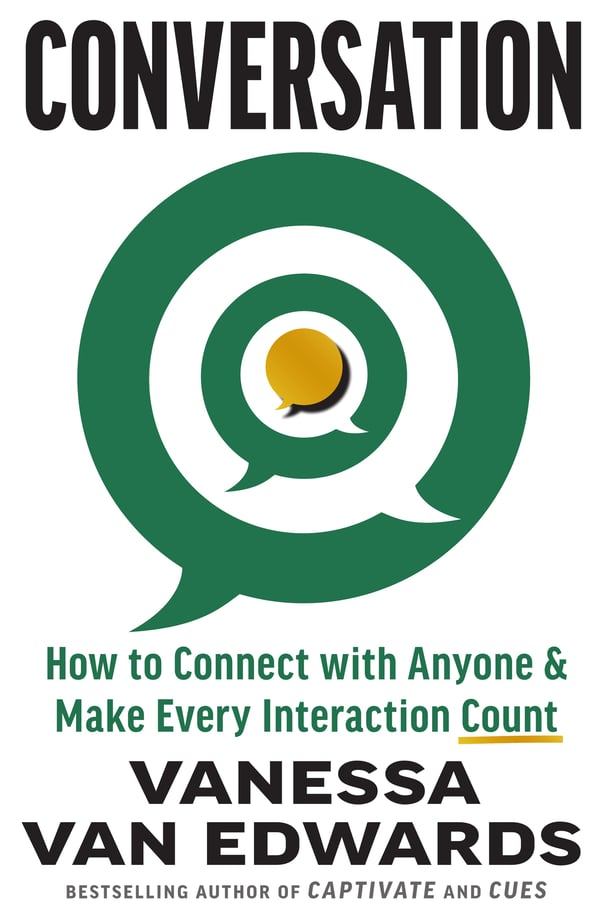
A new book by Vanessa Van Edwards
Every conversation is an opportunity.
If conversations have gotten harder, more awkward or less satisfying, you’re not imagining it. We’re simply out of practice. It’s time to find the joy in talking to each other again.
Mistakes That Make It Worse
Knowing what to skip matters as much as knowing what to say. A few well-meaning moves pour fuel on the fire:
“Calm down” or “relax.” It tells the other person their feeling is unreasonable, so they dig in to prove it isn’t.
Jumping straight to solutions. Fixing before someone feels heard sends the message that their feelings are a problem to close out. Validate first, solve second!
The silver lining. “At least it wasn’t worse” or “look on the bright side” skips right past what they actually feel. There’s time for perspective later, once they feel understood.
Making it about you. “That happened to me once, too” quietly steals the moment back. Keep the spotlight on them!
Pro Tip When you catch yourself reaching for one of these, pause and swap in a single line of validation instead: “That sounds genuinely hard.” It buys you both a calmer next minute.
Calm Yourself First
You can’t bring someone else down to a calmer place if you’re fired up yourself. Emotions are contagious, and a steady nervous system is the most settling thing in the room.
Before you respond to someone who is escalating, take one slow breath with a longer exhale than inhale. It eases your own fight-or-flight response in seconds! And it keeps your tone even, which is exactly what the other person’s brain is unconsciously scanning for.
If you’re too activated to stay steady, it’s fair to name it: “I want to give this the attention it deserves. Can we take ten minutes and come back to it?” (Our full guide on how to be calm has more techniques for steadying yourself in the moment.)
How to Handle Someone Who’s Yelling
Sometimes a conversation tips past frustration into yelling. Here the move is different.
First, pause. Hold a steady, calm gaze and let the harsh tone hang in the air for a beat. Then say, plainly: “I can’t really understand you when we’re both raised up like this.”
If it continues: “It’s hard to talk while we’re shouting. Let’s try again in a few minutes when things have settled.”
A productive conversation can’t happen while anyone is screaming, and if the one losing control is you, the same rule applies. Step away, breathe and come back when you can speak evenly. (For the harder personalities, our guide on difficult people goes deeper.)
Frequently Asked Questions
Why does telling someone to "calm down" make it worse?
Because it dismisses the emotion, which makes the person feel unseen and pushes them to escalate so you finally understand. Brain-imaging research found that naming an emotion (“that sounds really frustrating”) actually lowers activity in the brain’s threat center, so labeling the feeling calms someone far more effectively than telling them to stop having it.
What should I say to calm someone down in an argument?
Start by validating the emotion: “I hear how frustrated you are.” Then research the real problem with open questions like “Can you tell me more about that?” Once they feel heard, move toward a fix together (“What can I do to help?”), and keep your tone warm throughout. Avoid jumping straight to solutions before the person feels understood.
How do I calm down an angry customer or coworker?
Use the three Rs: research what actually went wrong by asking and listening, resolve it by laying out a clear plan (“here’s what we’ll do first”), and protect rapport with warmth and respect even if you can’t fully fix the issue. Handling a problem promptly and with genuine care often leaves the relationship in better shape than a smooth interaction would have.
What do I do if someone is yelling at me?
Pause and stay calm. Say something clear and neutral like, “I can’t understand you when we’re shouting. Let’s try again in a few minutes.” Productive conversation is impossible while anyone is screaming, so it’s reasonable to step away and return once things have settled.
You Can Be the Calm in the Storm
When someone unloads a big feeling on you, skip the reflexive “calm down.” Name what they’re feeling, get curious about what’s really wrong, work toward a fix together and keep the warmth on the whole way through.