
Forty percent of men have never spoken to anyone—not friends, family, or doctors—about their mental health. Many wait until they’re experiencing thoughts of suicide before seeking help. The silence isn’t weakness. It’s a mask of masculinity.
Lewis Howes, author of The Mask of Masculinity1https://www.amazon.com/gp/product/1623368626/and host of The School of Greatness podcast2https://www.amazon.com/gp/product/1623365961/ref=as_li_tl?ie=UTF8&tag=worldsmostinterestingpeople-, spent years wearing these masks himself. As a former Arena League professional football player and successful entrepreneur, he looked like he had it all figured out. The reality was different.
“But on the inside, I never had the fulfillment I was searching for.” —Lewis Howes
This disconnect between external success and internal emptiness affects millions of men. Understanding why requires looking at the masks of masculinity men learn to wear—and the psychological cost of keeping them on.
What Is Masculinity? (Defining Authentic vs. Masked Masculinity)
What is masculinity? At its core, masculinity refers to the qualities, behaviors, and roles traditionally associated with men and boys. But here’s where it gets complicated: much of what society labels “masculine” has little to do with biology and everything to do with cultural conditioning.
Authentic masculinity involves traits like courage, integrity, emotional intelligence, and the strength to be vulnerable. It means showing up as your true self rather than performing a role.
Masked masculinity is the performance—the version of manhood that demands men suppress emotion, dominate others, and never show weakness. This is where toxic masculinity enters the picture.
What do people mean by the term “toxic masculinity”? Toxic masculinity refers to cultural norms that equate manhood with aggression, emotional suppression, and dominance. It’s not saying masculinity itself is toxic—it’s identifying specific behaviors and expectations that harm men and those around them.
Where does toxic masculinity come from? These patterns typically originate in childhood. Boys receive messages from family, media, peers, and institutions about how “real men” should behave. Phrases like “man up,” “boys don’t cry,” and “don’t be a sissy” teach boys that their natural emotions are unacceptable. Over time, these messages calcify into masks.
When does masculinity become toxic? Masculinity becomes toxic when it requires men to harm themselves or others to prove their manhood—when showing emotion becomes shameful, when asking for help becomes weakness, when dominance becomes the only acceptable form of strength.
What counts as positive masculinity? Positive masculinity includes traits like protecting others without controlling them, providing support without expecting servitude, showing courage while acknowledging fear, and leading through service rather than domination. It’s strength that doesn’t require someone else’s diminishment.
The “mask” concept in masculinity research describes the personas men adopt to conform to social expectations of how men should behave based on their gender. Author and social critic bell hooks articulated this phenomenon directly3https://www.fatherly.com/news/rip-bell-hooks-two-quotes-for-men-on-masculinitys-harm:
“Learning to wear a mask… is the first lesson in patriarchal masculinity that a boy learns. He learns that his core feelings cannot be expressed if they do not conform to the acceptable behaviors sexism defines as male.”
These masks serve a protective function initially. A boy learns that showing fear invites ridicule. Expressing sadness signals weakness. Admitting confusion means losing status. So he learns to project confidence he doesn’t feel, suppress emotions that don’t fit the script, and perform a version of masculinity that earns approval.
The problem: masks that protect in childhood become prisons in adulthood.
The Discovery of Masks
Psychologist Carl Rogers developed a framework that explains why wearing a mask creates internal suffering. According to Rogers’ personality theory, people have two psychological constructs:
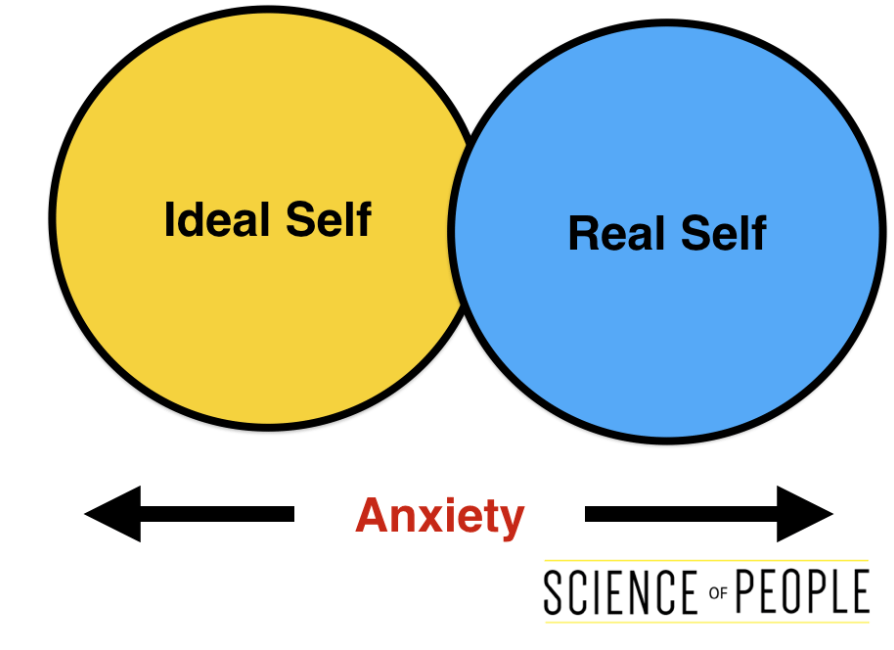
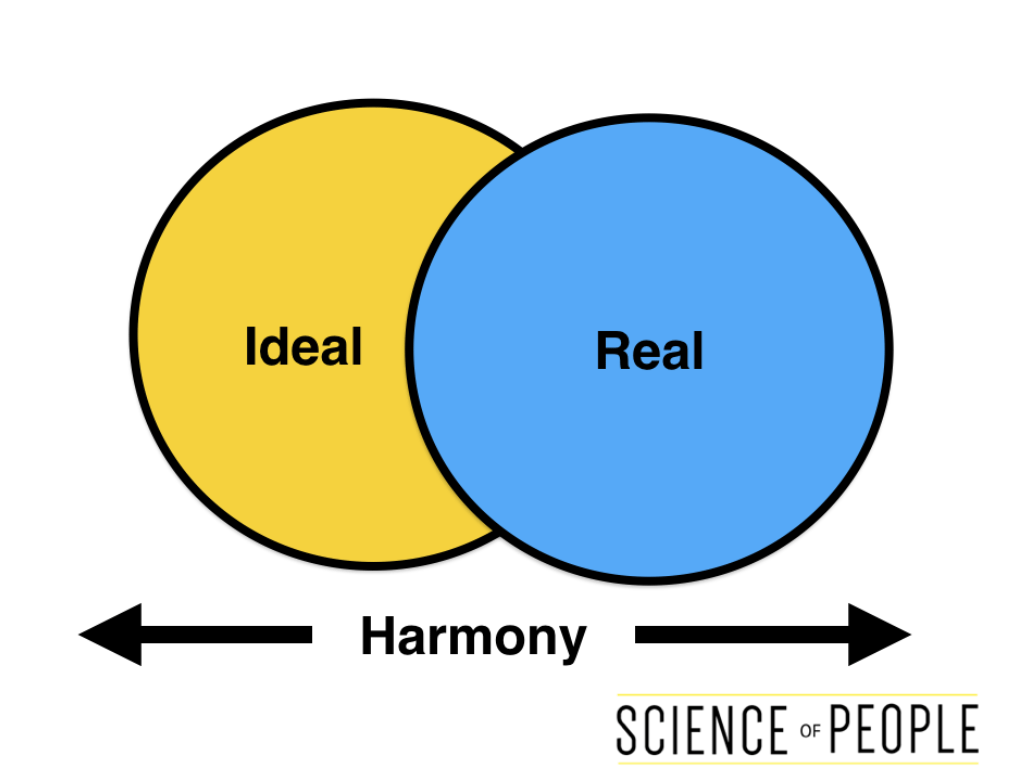
- Real Self: Who you actually are—your authentic thoughts, feelings, and behaviors
- Ideal Self: Who you believe you should be based on social expectations and personal aspirations
When these two selves align closely, Rogers called this congruence. People experiencing congruence feel integrated, authentic, and psychologically healthy.
When the Real Self and Ideal Self diverge significantly, Rogers termed this incongruence. This gap generates anxiety, defensiveness, and a persistent sense that something is wrong—even when external circumstances look ideal.
The masks of masculinity create incongruence by design. They demand men project an Ideal Self (stoic, dominant, successful, invulnerable) that rarely matches their Real Self (sometimes scared, sometimes uncertain, sometimes needing support).
This explains why men can achieve everything society says should make them happy—financial success, physical fitness, relationship status—and still feel empty. The achievement belongs to the mask, not the man wearing it.
What are the archetypes of masculinity? Beyond the masks, researchers have identified masculine archetypes that represent different expressions of male energy. Jungian psychology describes archetypes like the King (leadership and order), the Warrior (courage and discipline), the Magician (wisdom and transformation), and the Lover (connection and passion). The masks Howes identifies often represent distorted versions of these archetypes—the Alpha Mask corrupts the King, the Aggressive Mask distorts the Warrior, the Know-It-All Mask twists the Magician.
Want to level up your people skills? Check out our resource:

Master Your People Skills
- Create a Memorable Presence
- Communicate with Confidence
- Achieve Your Goals
Have a question about the presentation or People School? Email Science of People support.
The 9 Masks of Masculinity
Lewis Howes identifies nine specific masks in his book. Each serves a function—and each extracts a cost. Understanding these masks helps answer the question: how can I act in a more masculine way? The answer isn’t performing these masks more convincingly—it’s recognizing when you’re wearing them and choosing authenticity instead.
1. The Stoic Mask
The man who never shows emotion. He’s “fine” regardless of circumstances. This mask protects against vulnerability but cuts off emotional processing entirely. Therapist Terry Real calls the result “covert depression”—depression that manifests not as sadness but as numbness, irritability, or workaholism. The Stoic Mask represents one of the most damaging forms of emotional suppression because it’s often praised as strength.
2. The Athlete Mask
Identity built entirely around physical performance and competition. Howes wore this mask intensely as a professional athlete. “When I would lose, I was the worst loser in the world,” he admits. When athletic identity fades—through injury, aging, or retirement—men wearing this mask often experience identity collapse.
3. The Material Mask
Self-worth tied to net worth. Howes observes younger men posting photos with Lamborghinis and Rolexes they don’t own, using fake displays of wealth to feel worthy or gain social validation. The Material Mask promises that enough money will finally make you feel “enough.”
4. The Sexual Mask
The serial pursuer whose self-worth depends on conquest. He dates person after person without allowing emotional intimacy. The thrill of pursuit substitutes for the vulnerability of connection.
5. The Aggressive Mask
Dominance through intimidation. This mask can be particularly difficult to remove for men trained in environments that reward aggression—athletics, military service, competitive business. The training that serves survival in those contexts becomes destructive in relationships and everyday life. Men wearing this mask often externalize their pain through anger and hostility rather than processing it internally.
6. The Joker Mask
Deflecting everything with humor. While humor can be healthy, the Joker Mask uses it as a shield against any serious emotional engagement. Every vulnerable moment gets converted into a punchline.
7. The Invincible Mask
The man who never admits weakness, pain, or limitation. He pushes through illness, ignores injuries, and refuses help. This mask kills men—sometimes literally, when they ignore symptoms that needed medical attention.
8. The Know-It-All Mask
Authority through expertise (real or performed). Admitting uncertainty feels like losing status, so this mask demands having an answer for everything. Learning becomes difficult when you can’t acknowledge what you don’t know.
9. The Alpha Mask
Dominance as identity. Any challenge to authority triggers an aggressive response to “prove” status.
A note on “Alpha”: The concept of the “Alpha Male” as a biological category in humans is largely considered a myth by researchers. Even the wolf researcher whose work originated the term later disavowed it. Howes redefines “Alpha” not as biological dominance but as a social performance—one he found destructive.
His revised definition: a true leader resembles a silverback gorilla moving through the jungle. Despite being one of the most powerful creatures present, he’s confident, poised, and graceful. Rather than destroying everything in his path, he directs energy around him. Leadership through presence, not aggression.
Why Men Wear Masks: The Mental Health Crisis
The cost of mask-wearing shows up in mental health data. According to research from the Priory Group4https://www.google.com/search?q=https://www.priorygroup.com/blog/men-s-mental-health-awareness-month-40-of-men-won-t-talk-to-anyone-about-their-mental-health:
- 40% of men have never spoken to anyone about their mental health—not friends, family, or professionals
- 29% of men say they’re “too embarrassed” to discuss mental health concerns
- Men die by suicide 3-4 times more often than women in the U.S. and UK
- Work stress (32%) and financial pressure (31%) are the leading causes of mental health strain for men
- 40% of men say it would take thoughts of suicide or self-harm before they’d seek professional help
These numbers reflect what happens when emotional expression gets systematically blocked. Men don’t stop having emotions—they stop processing them. The emotions emerge anyway, often as aggression, substance abuse, or physical health problems.
Shame plays a central role in keeping men silent. Many men feel deep shame about struggling—as if needing help proves they’ve failed at being a man. This shame creates a vicious cycle: the more isolated men become, the more shame they feel, and the tighter they grip their masks.
Sociologist Michael Kimmel captures why these masks persist in his book Guyland:
“Masculinity must be proved, and no sooner is it proved than it is again questioned and must be proved again—constant, relentless, unachievable.”
The masks never provide lasting security because the performance never ends.
The Science of Emotional Contagion
Howes mentions “energy transference”—the idea that emotions spread between people. This isn’t metaphysical speculation. Psychologists call it emotional contagion, and research by Hatfield, Cacioppo, and Rapson5https://www.google.com/search?q=https://pubmed.ncbi.nlm.nih.gov/8014076/confirms the mechanism.
Humans automatically mimic facial expressions, postures, and vocal tones of people around them. This mimicry triggers corresponding emotional states through feedback loops between body and brain. You don’t just observe someone’s anxiety—you begin to feel it.
This means the masks men wear affect everyone around them. A man performing stoicism doesn’t just suppress his own emotional processing—he creates an environment where others feel they can’t express emotions either. The mask becomes contagious.
How to Drop the Mask: Self-Reflection Rituals
Before dropping a mask, you need to understand what triggers you to put it on. Howes recommends a written inventory:
Get paper and pen. Write down every instance you can recall of:
- Someone attacking you (verbally, professionally, personally)
- Someone or an experience hurting you
- A person or situation you haven’t forgiven
- Moments of shame or embarrassment
No memory is too small or too old. Include experiences from childhood. The patterns that emerge reveal which masks you reach for and when.
Why this works: Shame and unprocessed pain operate in silence. As Howes puts it, “Until we share the things that bring us the most shame and insecurity, it’s incredibly difficult to heal.” The written inventory begins breaking that silence, even if only to yourself initially.
How to improve masculinity and develop authentic strength:
Daily awareness builds the muscle for authenticity. Three practices that support this growth:
Morning Check-In (5 minutes) Before the day starts, sit quietly and ask: “What’s actually bothering me today?” Write one honest feeling. The goal isn’t to solve anything—just to notice what’s real before the mask goes on.
Midday Trigger Awareness When stress spikes—a critical email, a tense meeting, a conflict—pause before reacting. Note what triggered the stress and which mask you’re tempted to grab. The Aggressive Mask? The Know-It-All? Simply naming the pattern weakens its automatic pull.
Evening Audit (5 minutes) Before bed, identify one moment during the day when you felt “off”—fake-laughing, performing confidence you didn’t feel, deflecting a real question. Ask: “Who was I hiding from in that moment?”
Consistency matters more than duration. Fifteen minutes daily for a week reveals patterns that years of unconscious behavior obscure.
How do you become more masculine? True masculine development isn’t about performing harder—it’s about integrating your authentic self with healthy masculine traits. This means developing emotional intelligence alongside physical strength, practicing vulnerability alongside courage, and building genuine connections alongside independence.
Finding Support: Therapy, Coaches, and Trusted Friends
Removing a mask you’ve worn for decades requires support. Howes offers a realistic path:
Find one person you can trust. This might be a close friend, but research confirms most men don’t feel they have a male friend they can talk to about emotional issues. If that’s your situation, consider a therapist or coach who provides confidentiality and a judgment-free environment.
Why therapy matters for men: According to the ADAA6https://www.google.com/search?q=https://adaa.org/find-help-for/men, men are significantly less likely than women to seek mental health treatment, yet they respond equally well to therapy when they engage. A trained therapist can help you identify mask patterns, process underlying trauma, and develop healthier coping strategies. This isn’t weakness—it’s strategic investment in your mental health.
Set explicit terms for the conversation. If sharing with a friend, ask them to simply listen without trying to fix, advise, or minimize. The goal is expression, not problem-solving.
Start small. You don’t need to reveal your deepest shame in the first conversation. Share something that feels slightly uncomfortable. Build trust incrementally.
Expect discomfort. Vulnerability feels dangerous because for years it was. The discomfort doesn’t mean you’re doing it wrong—it means you’re doing something new.
Howes emphasizes that a “weak man” isn’t one who shows emotion. A weak man “constantly gives away his power to people, ideas, or environments.” The masks represent power given away—to social expectations, to fear of judgment, to outdated definitions of strength.
Reclaiming that power means choosing authenticity over performance, even when performance feels safer.
“The less a person understands his own feelings, the more he will fall prey to them.” —Lewis Howes
How to Embrace Masculinity: Masks of Masculinity Takeaway
The masks of masculinity men wear solve a short-term problem (social acceptance) while creating a long-term crisis (disconnection from self and others). Removing them isn’t about rejecting masculinity—it’s about choosing which version of masculinity actually serves your life.
How to embrace masculinity authentically: Stop asking “Am I man enough?” and start asking “Am I being honest with myself and others?” Authentic masculinity isn’t about meeting external standards—it’s about integrating strength with vulnerability, courage with compassion, and independence with genuine connection.
Your action steps:
- Identify your primary mask. Review the nine masks of masculinity and honestly assess which 1-2 you wear most frequently.
- Complete the trigger inventory. Write down instances of attack, hurt, unforgiveness, and shame. Look for patterns connecting these experiences to your mask.
- Practice daily awareness. Use the morning check-in, midday trigger awareness, and evening audit for one week.
- Find your person. Identify one trusted individual—friend, therapist, or coach—with whom you can begin practicing unmasked conversation.
- Redefine strength. Consider that true strength might look like the silverback gorilla: powerful enough to destroy, wise enough to lead without destruction.
For more on building authentic confidence, explore how to be more confident or learn about building genuine connections.
If you are struggling with mental health, please note that this content is not professional medical advice. Consult a doctor or licensed therapist for questions about your mental health
Article sources
- https://www.amazon.com/gp/product/1623368626/

- https://www.amazon.com/gp/product/1623365961/ref=as_li_tl?ie=UTF8&tag=worldsmostinterestingpeople-
- https://www.fatherly.com/news/rip-bell-hooks-two-quotes-for-men-on-masculinitys-harm
- https://www.google.com/search?q=https://www.priorygroup.com/blog/men-s-mental-health-awareness-month-40-of-men-won-t-talk-to-anyone-about-their-mental-health
- https://www.google.com/search?q=https://pubmed.ncbi.nlm.nih.gov/8014076/
- https://www.google.com/search?q=https://adaa.org/find-help-for/men

How to Deal with Difficult People at Work
Do you have a difficult boss? Colleague? Client? Learn how to transform your difficult relationship.
I’ll show you my science-based approach to building a strong, productive relationship with even the most difficult people.