Let’s talk about mornings.
You have roughly 25,000 of them in your adult life.
Twenty-five thousand. And a decent chunk of mine have started with me scrolling in bed for 40 minutes and then being late.
Which is a shame, because a calm, deliberate start1 to the day makes the whole day easier to steer. That momentum carries into the afternoon, the week, even the year.
What Is The Perfect Morning Routine?
What is a morning routine? A morning routine is a set of habits you commit to every morning to set yourself up for a good day.
There’s no single perfect version, whatever the internet tells you.
The right routine balances your emotional and physical needs against the things you actually need to get done before the day takes over.
It looks different for everyone. Vanessa, our founder, likes a quiet, low-stimulation morning. Her alarm plays soft classical music, and she spends a few minutes in bed just thinking about the day ahead. After some stretching and slow breathing, her first task is always the same: water the plants.
Keeping away from her phone and upbeat music until she’s showered and eaten keeps her mind calmer for the rest of the day.
That might sound like heaven to you, or like a slow, dull nightmare. Either reaction is fine. The point is that your routine should be built around your personality, goals and interests, rather than copied from someone whose life looks nothing like yours.
A few famous examples, for inspiration:
- Jane Austen played the piano first thing, then made breakfast with her family before sitting down to write.
- Arianna Huffington starts her day with yoga and meditation.
- Steve Jobs reportedly opened each morning by asking himself: “If today were my last day on earth, what would I do differently?”
See anything there you’d want to steal?
If you found this article, chances are you don’t have a morning routine yet, or you’ve got one that isn’t quite working.
As you build yours, pay attention to when you naturally feel most alert. For a lot of people that’s mid-morning, with a second wind in the late afternoon. Once you know your own rhythm, you can design your morning around it.
It’s far easier to build your day around your body than to force your body into someone else’s schedule.
Watch our video below on how to perfect your morning routine.
How Morning Habits Actually Stick
Before you pick your habits, it helps to know how habits form, because the popular version is mostly wrong.
You’ve probably heard it takes 21 days to build a habit.
It doesn’t.
When researchers followed people building real, everyday habits, the time it took a new behavior to feel automatic landed at a median of about 66 days. The range ran from 18 days to 254.
So if your new morning routine still feels like effort after three weeks? You’re right on track. That’s just what the middle of the curve feels like.
Two findings from that research are worth holding onto:
- Missing one day doesn’t undo your progress. People who skipped a day here and there still built lasting habits. Consistency beats perfection, so let go of the all-or-nothing streak mentality.
- Simple habits stick faster than complicated ones. “Drink a glass of water” becomes automatic far quicker than “do a 30-minute workout.” Start smaller than feels impressive.
Then two techniques do most of the work.
Anchor a new habit to one you already have. The easiest way to remember a new morning habit is to bolt it onto something you already do without thinking. “After I start the coffee, I’ll write down my top three tasks.” “After I brush my teeth, I’ll stretch for two minutes.” In one study, people who flossed right after brushing — piggybacking on an already-automatic habit — built a stronger flossing habit than people who tried to floss beforehand. Your existing routine becomes the reminder, so you’re not leaning on willpower or memory.
Make an if-then plan. Deciding in advance exactly when and where you’ll do something makes you far more likely to follow through. The formula is simple: “If it’s 7 a.m. and I’ve poured my coffee, then I’ll sit by the window for five minutes.” Spelling out the cue does the remembering for you, and it’s one of the more reliable behavior-change tools we have.
Two rules keep this working:
- Pick an anchor that already happens every single day at a fixed point: brushing teeth, making coffee, sitting down at your desk. Avoid anything vague like “when I have a minute.”
- Keep the new habit almost embarrassingly small at first. Two minutes is plenty. You can grow it once it runs on autopilot.
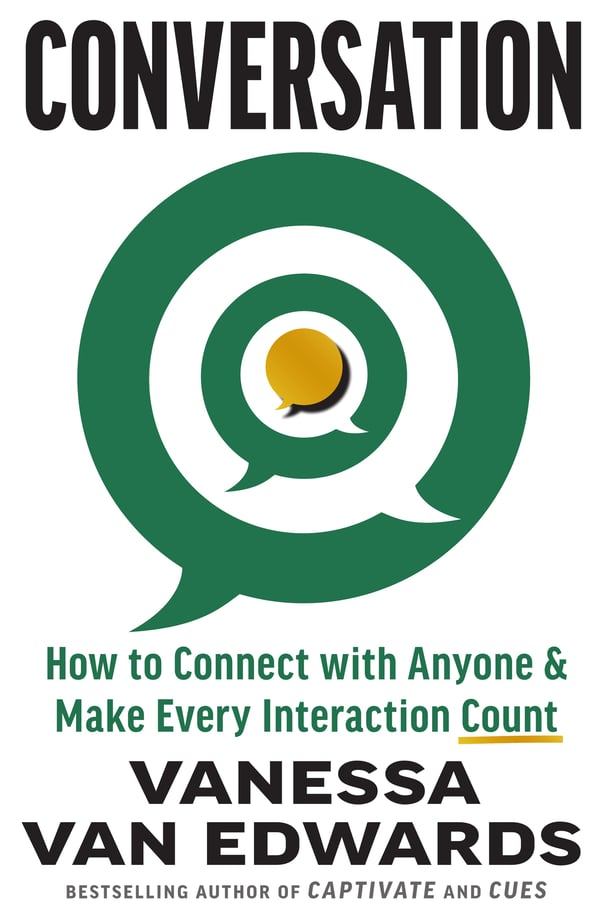
A new book by Vanessa Van Edwards
Every conversation is an opportunity.
If conversations have gotten harder, more awkward or less satisfying, you’re not imagining it. We’re simply out of practice. It’s time to find the joy in talking to each other again.
Pick Your Three: Build Around What You Want More Of
You don’t need a 30-step morning. People whose routines actually last usually keep three or four habits, chosen on purpose. So before you dig into the full list, decide what you want more of, then pull mostly from that column.
| If you want more… | Try starting with |
|---|---|
| Energy | A stretch (#4), a walk or run (#16), a cold rinse (#13), delaying coffee (#10), light and water (#6) |
| Calm | A phone-free first hour (#3), slow breaths (#6), meditation (#19), herbal tea (#22), making your bed slowly (#5) |
| Connection | A minute with your pet (#17), a good deed (#12), quality time with someone you love (#1), a text to a friend |
| Focus | A fixed pick-three sequence (#7), eat the frog (#30), a to-do list (#29), a worry hour (#28), learning something small (#11) |
Pick one or two habits from your main column, add one small thing that just makes the morning feel good, and ignore the rest for now. You can always swap in more later.
30 Morning Routine Ideas to Build Into Your Mornings
Now the basics are covered, here are 30 habits to choose from. Not all of these will fit everyone, so take what serves you and leave the rest.
1. Spend your morning on purpose
What do you want more of in your day? More calm? More energy? More time with the people you love?
Figure out the goal first, because a good routine needs a purpose behind it. Setting an intention might look like:
- You want to feel energized, so you build in movement or a brisk cold rinse to wake yourself up.
- You want more connection, so you spend 15 minutes of real, quality time with your partner or read to your kids, which is linked to stronger literacy later on.
- You want to eat better, so you set up an evening habit that preps tomorrow’s food.
As soon as you wake, make a small promise to yourself. Say it out loud, or write it on a sticky note on the bathroom mirror. Something like:
“Today I’m going to be present. No doom-scrolling, no auto-playing the next episode. I’m going to actually experience the day, starting with this morning.”
It feels odd at first. But once it becomes a habit, that kind of presence turns into second nature.
Action Step: Before you touch your phone tomorrow, say one sentence out loud about how you want the day to feel.
2. Set a wake-up time (and a sleep time)
Pick a consistent time to wake up every day. A steady schedule is linked to feeling more rested2 and makes getting up easier. After a few weeks you’ll often start waking just before your alarm.
Your morning routine works best paired with a good wind-down at night. Give yourself a proper buffer before bed, ease off the screens3 in the last hour, and set out anything you’ll need tomorrow: gym clothes by the door, smoothie ingredients on the counter.
And try to skip the snooze button. Slapping snooze for another nine minutes tends to leave you groggier, because that extra sleep is broken and shallow.
Top Tip If snooze is your weakness, move the alarm across the room. Once you’re up and standing, the hardest part is already behind you.
3. Keep your phone out of the first hour
If there’s one habit to take from this whole article, make it this one.
The temptation is real. That first scroll also sets the tone for everything after it.
Reach for your phone and you’ve handed the opening minutes of your attention to other people’s demands: the emails, the notifications, the feed that never ends.
All before you’ve decided what you want the day to be about.
The research here deserves a straight answer.
The popular claim that simply having your phone nearby drains your brainpower hasn’t held up well when other researchers tried to reproduce it. So park that one.
What does hold up is active use. Notifications, and flipping between apps and feeds, fragments your attention and makes it harder to focus afterward.
Start your day in that scattered, reactive mode and you tend to stay there all day.
So protect the opening stretch. Even 30 phone-free minutes makes the whole day feel calmer and more your own. That’s enough to wake up, hydrate and decide what matters. Leave the phone charging in another room, or open nothing but the alarm until you’ve eaten.
Try this: Set a specific “phone opens at” time, say 7:30, the way you’d set an alarm. A clear line is far easier to keep than a vague good intention.
4. Stretch to wake your body up
Your body’s been still for hours. Before you wake up your mind, wake up your body with some gentle movement: a few minutes of easy bed yoga, or even just a big, full-body stretch like your dog or cat does when they get up.
You don’t need a mat or a routine. The goal is simply to shake off the stiffness and feel more awake and ready to move.
5. Make your bed
And do it slowly, on purpose. Notice how the covers feel, the way the light hits the room. It’s a tiny act of care that says the day has started and you’re steering it.
Even if a rumpled bed doesn’t bother you, making it first thing puts a small win on the board before you’ve even left the room. You deserve a space you’ve cared for.
6. Meet your basic needs
At the most basic level, you need water, air and light. Start there.
Take a few slow, deep breaths. Pour a cold glass of water to rehydrate after a night’s sleep. Then get some daylight: sit by a sunny window or step outside for a minute. Morning light helps your body feel awake and sets your internal clock for the day.
Try this: Keep a glass or bottle of water on your nightstand so hydration is the very first thing you do, before you’re even fully upright.
7. Pick three tasks and do them in the same order
A fixed opening sequence gets you moving and cuts down on decisions before you’ve had a chance to get distracted.
For example: turn on the radio, water the plants, walk the dog. Or: brush your teeth, get dressed, make coffee. The specific tasks matter less than the fact that they’re automatic.
8. Eat a breakfast that keeps you steady
Research4 suggests that breakfasts heavy on refined sugar can leave your attention flagging, while a balanced breakfast built around whole-grain carbohydrates tends to keep you more alert through the morning.
Instead of a sugary cereal or a pastry, try:
- Oatmeal with berries and nuts
- Whole-grain toast with avocado and tomato
- Greek yogurt with berries and chia seeds
- Whole-grain cereal with sliced apple
The idea is steady energy that lasts, so you’re not crashing an hour later.
9. Spend 30 minutes on something you love
Pick the thing you love, the one that reconnects you to yourself.
This reminds you there’s more to life than being productive, and it keeps your morning balanced. It might be journaling, reading a chapter, painting, dancing in the kitchen, or calling someone who makes you laugh.
A morning that’s all output and no joy is just a to-do list you wake up early for.
10. Delay your first coffee
It’s tempting to hit the coffee machine the second you’re up. But many people find their natural alertness is already high in the first hour or two of the day, so the caffeine has more to give if you wait.
Try pushing your first cup back by 60 to 90 minutes and see whether you sail further into the afternoon before the slump hits. Treat it as an experiment. If it doesn’t help you, ignore it.
11. Learn something small
Pick a tiny daily dose of learning: a word-of-the-day app, a magazine subscription, a few pages of a new skill like a language or an instrument.
You don’t need to master anything. A few minutes a day compounds over months, and the sense of getting better at something is a great mood-setter for the day.
12. Do a good deed
Easy, fun and mood-lifting: doing something kind for someone else is tied to greater happiness for the giver, too.
A few morning-sized acts of kindness:
- Text a friend who’s been having a hard time
- Run a quick errand for a neighbor
- Leave a genuine comment on a small business’s post
- Buy a coffee for the person behind you
Whatever you pick lifts your mood and starts someone else’s day on a good note.
13. Take a cold rinse
You don’t need an ice bath. Ending your shower with 30 seconds of cold water is enough to snap you awake and give you a jolt of alertness to carry into the morning.
It works best if you start warm and gradually turn the temperature down at the end. Go only as cold as feels okay, and work up to it over time.
14. Tend to your skin
Wake up with puffy eyes or pillow creases? A simple morning skincare step, cleanse and moisturize at the bare minimum, leaves you feeling refreshed and a little more put-together before you face the day.
15. Reset your space
Some people prefer to do this at night, but if mornings work better for you, take 15 minutes to reset your home before work: put things back where they belong, clear the dishes, take out the trash.
A tidy space is easier to focus in. Pay special attention to tempting distractions: a game controller or a good book left on the table can hijack your morning.
16. Go for a walk or a run
Especially useful if your goal is more energy or a better mood. It’s a two-for-one: you move your body and get fresh air at the same time. People who walk regularly tend to report better emotional wellbeing than those who don’t.
17. Spend a minute with your pets
Whether you’ve got a dog, a cat or something more exotic, a few minutes of cuddling your pet in the morning is a small, reliable hit of warmth and connection. It’s hard to start the day annoyed with a purring cat on your lap.
18. Journal
You might think you don’t have time. But a journal doesn’t have to be long. It can be a single line.
A one-line-a-day journal captures the takeaway from each day and becomes a lovely thing to look back on. Some prompts to start:
- What am I most excited about today?
- What are my three big goals?
- How does my body feel right now?
- What’s really behind me putting off that one big task?
Once it’s a habit, you’ll start writing your own prompts.
19. Meditate for 10 minutes
Short daily meditations have been shown to sharpen5 memory, attention and mood, even for people with zero meditation experience.
A few styles to try:
Not sure where to start? A guided app will walk you through short sessions and build up from there.
20. Listen to music
The easiest one on the list: you can layer it onto almost anything else. Music can lift your mood and help you concentrate, so put something on while you cook breakfast or get ready and let it soundtrack your morning.
21. Reflect on something good from yesterday
While you sip your tea or take your walk, call to mind one good thing from the day before: time with a friend, a task you finished, a small kindness. Deliberately noticing the good is linked to a better quality of life over time.
22. Have a cup of herbal tea
There’s a herbal tea for just about every mood. Feeling wired? A warm, caffeine-free cup can be a calming ritual. Feeling flat? Something bright like lemongrass or peppermint can be a gentle pick-me-up.
The tea itself matters less than the pause: a few quiet minutes wrapped around a warm mug.
23. Make a smoothie
A fast, easy way to pack fruit and vegetables into breakfast, and a fun morning ritual. Use fresh or frozen, whatever’s easier to keep up.
Some ingredients worth tossing in:
- Spinach: mild flavor, blends into almost anything
- Chia seeds: add thickness and a bit of fiber
- Greek yogurt: creamy base with staying power
- Banana: natural sweetness and body
- Berries: flavor and color without much sugar
Top Tip Stay present with it. Take small sips and actually notice the taste instead of drinking it on autopilot.
24. Practice affirmations
Write your own or borrow a few to start. Here are some of our favorite affirmations:
- “I trust myself, and I’ll stay calm and breathe when things get hard.”
- “I make the most of each chance to learn and grow.”
- “I spend my time and energy on what actually matters to me.”
- “I let go of distractions and focus on what counts.”
- “I start my tasks with a clear mind and a steady attitude.”
25. Step outside for a minute
Before the day pulls you indoors, get outside. A balcony counts. So does the yard.
Feel the air. Notice the light. Take one slow breath.
Pair it with something you already do, like your morning walk or your first glass of water, and it costs you nothing extra. A small marker that the day has started, placed before the screens get a vote.
26. Set reminders
Use a habit-tracking app to keep your routine on track and schedule the rest of the day. A few favorites:
27. Check in with your body
How does your body actually feel this morning? Rested or dragging? Anything sore or tight? What’s your mood, and where do you feel it? Ask what one small thing would make the day more comfortable, then do that thing.
28. Schedule a ‘worry hour’
You’ve done the calming, creative parts of your morning and now the dreaded tasks loom: the bills, the awkward email, the endless form. Instead of letting them hang over you all day, box them into a single block some people call a “scary hour.”
Knowing there’s one contained slot for the hard stuff keeps you from feeling frozen by it. Doing something beats doing nothing, and one focused hour a day clears the backlog fast.
29. Write a to-do list for the day
Get the day’s thoughts out of your head and onto paper. It helps to split the list into three chunks: morning, afternoon, evening. If you want a smarter way to prioritize, the Eisenhower matrix sorts tasks by urgent versus important.
30. Eat the frog: hardest task first
Do your most challenging task first, before the day chips away at your willpower. It’s called the “eat the frog” technique, and it works because finishing the thing you’ve been dreading gives you a jolt of momentum that carries into everything else.
Three Morning Routines You Can Steal
Here’s what it looks like when you actually string a few of these together. Treat them as starting points and adapt freely.
The 15-minute reset (for busy mornings)
- Water first, before your phone (2 min)
- A full-body stretch to wake your body up (3 min)
- Write down your top three tasks for the day (5 min)
- One thing you’re looking forward to, said out loud (1 min)
Then coffee. Small, repeatable, and hard to skip, which is exactly why it sticks.
The 45-minute slow morning (for when you have space)
- No phone; sit by a window with a glass of water and a few slow breaths (5 min)
- Move: a short walk or some gentle yoga (15 min)
- Something you love: journaling, reading, or music (15 min)
- A steady breakfast you actually taste instead of inhale (10 min)
The parent-with-kids morning (for controlled chaos)
You won’t get a silent hour, so anchor tiny habits to what already happens:
- While the coffee brews, take one slow breath and name your intention for the day.
- Hydrate before your first cup, while you’re making the kids’ breakfast.
- Turn the school run into your daylight-and-movement habit.
- In the car or at the table, ask everyone one thing they’re looking forward to. Connection built right into the mayhem.
Notice that every one of these is just three or four habits, each bolted onto something you already do. That’s the whole trick.
Morning Routine Takeaway
Try a handful of these and keep what fits. When something clicks, stick with it: habits take an average of about 66 days to feel automatic, so give a new routine a few weeks before you decide whether it’s working.
The three anchors to remember:
- Move: stretch, walk, run, whatever gets your body going.
- Refuel: water first, then food that gives you steady energy.
- Inspire yourself: through affirmations, creativity or time on what you love most.
You don’t need all 30. Pick three or four that match what you want more of, and build from there. Imagine a month from now, waking up to a morning that already feels like yours. You’ve got this.
Want more ways to get the most from your day? Here are 14 Unique Productivity Tips: How to Be More Productive with Less Effort.